

Introduction
The Kanchenjunga Base Camp Short Trek is an exceptional Himalayan adventure designed for travelers who want to explore the spectacular Kanchenjunga region within a limited timeframe. Located in eastern Nepal, Mount Kanchenjunga rises to 8,586 meters and is recognized as the third-highest mountain in the world. Surrounded by dramatic peaks, deep valleys, ancient forests, glaciers, and traditional mountain villages, the region offers an unforgettable combination of natural beauty and cultural discovery.
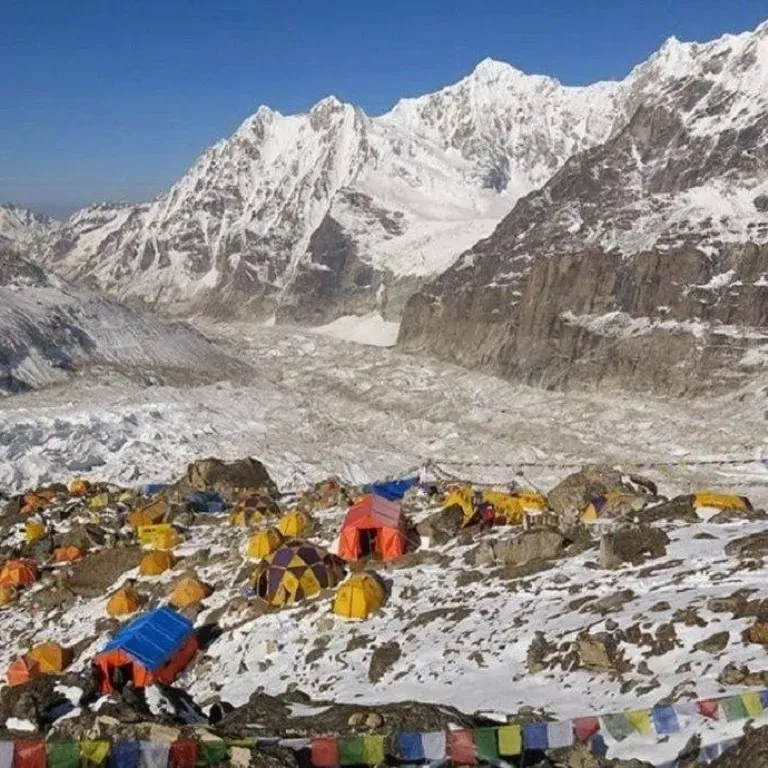
Unlike Nepal’s more crowded trekking destinations, the Kanchenjunga region provides a remote and peaceful experience. The trails are less commercialized, the settlements are scattered, and the landscape retains a strong sense of wilderness. Although the short version of the trek requires careful planning and good physical preparation, it allows adventurous travelers to experience the remarkable scenery of the Kanchenjunga area without undertaking a lengthy expedition.
What Makes the Kanchenjunga Region Special?
Kanchenjunga is more than just a spectacular mountain. The surrounding region is an important protected area containing diverse ecosystems, traditional villages, and a rich variety of wildlife. The Kanchenjunga Conservation Area stretches across a large mountainous landscape where forests gradually transition into alpine meadows and high-altitude terrain.
The trek offers continuously changing scenery. At lower elevations, the trail passes through lush forests filled with rhododendrons, oaks, pines, and other Himalayan vegetation. Higher up, forests become thinner and the landscape transforms into rocky slopes, glaciers, alpine valleys, and snow-covered peaks.
The cultural atmosphere is equally fascinating. Local communities have developed unique traditions shaped by the Himalayan environment. Along the trail, trekkers can encounter traditional houses, Buddhist prayer flags, monasteries, mani walls, and welcoming mountain communities.
Highlights of the Kanchenjunga Base Camp Short Trek
One of the main attractions of the Kanchenjunga Base Camp Short Trek is the opportunity to enjoy spectacular mountain panoramas without spending several weeks completing a full circuit.
The major highlights include:
-
Magnificent views of Mount Kanchenjunga and neighboring Himalayan peaks
-
Peaceful and relatively uncrowded trekking trails
-
Traditional villages and authentic Himalayan culture
-
Beautiful rhododendron and alpine forests
-
Dramatic valleys, rivers, waterfalls, and suspension bridges
-
High-altitude landscapes and glacial surroundings
-
Opportunities to observe Himalayan flora and wildlife
-
A genuine wilderness experience away from heavily developed trekking routes
For photographers, the region is especially rewarding. Early mornings often provide clear mountain views, while changing light throughout the day creates dramatic scenery across the valleys and peaks.
Route and Trekking Experience
The precise route of a short Kanchenjunga trek depends on the itinerary selected, transportation arrangements, and the base camp approach. The Kanchenjunga region has both northern and southern approaches, each offering different scenery and experiences.
The journey generally begins in Kathmandu before travelers make their way toward eastern Nepal. Depending on the itinerary and current transportation conditions, the approach may involve domestic flights and overland travel. Once the trekking route begins, the trail gradually moves through rural settlements and forested landscapes.
The initial walking days generally take place at lower elevations. These stages allow trekkers to adjust to the terrain and gradually prepare their bodies for higher altitudes. As the route climbs, the scenery becomes increasingly dramatic, with snow-covered peaks appearing above the surrounding valleys.
The higher sections of the trek require slower and more deliberate walking. Proper acclimatization becomes especially important as the altitude increases. After reaching the designated high point or base camp area, trekkers retrace their route toward lower elevations before returning to Kathmandu.
Because transportation and weather can affect travel schedules in remote eastern Nepal, it is sensible to maintain some flexibility in the itinerary.
Difficulty Level
The Kanchenjunga Base Camp Short Trek is generally considered a challenging trek. It is not simply a sightseeing trip, and travelers should be prepared for long walking days, steep ascents and descents, uneven trails, changing weather, and high-altitude conditions.
A good level of physical fitness can make the journey considerably more comfortable. Regular walking, hiking, stair climbing, cardiovascular exercise, and strength training in the weeks before departure can help prepare the body.
Previous trekking experience is useful but not always essential for physically fit travelers who prepare properly. The most important factors are patience, steady pacing, appropriate acclimatization, and the ability to adapt to changing mountain conditions.
Altitude should always be treated seriously. Trekkers should communicate with their guide if they experience symptoms such as persistent headache, dizziness, nausea, unusual fatigue, or difficulty breathing. The itinerary should allow enough time for the body to adjust rather than rushing to higher elevations.
Best Time to Visit Kanchenjunga
The best seasons for the Kanchenjunga Base Camp Short Trek are generally spring and autumn.
Spring, from March to May, offers pleasant trekking conditions at many elevations. The forests become particularly attractive when rhododendrons bloom, adding vibrant colors to the mountain landscape. Clear mountain views and comfortable daytime temperatures make spring an appealing season for trekking.
Autumn, from September to November, is another popular period. After the summer monsoon, the atmosphere often becomes clearer, improving visibility of the Himalayan peaks. The stable weather conditions can make trekking more comfortable, although temperatures at high elevations remain cold.
Winter brings much colder temperatures and potentially heavy snow in high-altitude areas. The summer monsoon can produce rain, clouds, slippery trails, and transportation disruptions. Travelers considering these seasons should be prepared for more difficult conditions.
Wildlife and Natural Beauty
The Kanchenjunga region is renowned for its biodiversity. The dramatic changes in elevation create a variety of habitats, ranging from subtropical forests to alpine environments.
Rhododendron forests are particularly beautiful in spring, while pine, oak, fir, birch, and juniper can be found at different elevations. The conservation area also provides habitat for wildlife associated with the eastern Himalayas.
Trekkers may have opportunities to see Himalayan birds and, with considerable luck, animals such as red pandas, Himalayan black bears, or blue sheep. Wildlife sightings are unpredictable, so the primary focus should remain on enjoying the natural environment rather than expecting specific animals.
Visitors should maintain a respectful distance from wildlife and avoid making unnecessary noise or disturbing animals.
Accommodation and Food
Accommodation along the Kanchenjunga route is generally more basic than on Nepal’s busiest trekking routes. Local teahouses and lodges provide simple rooms and meals where facilities are available. As the trail moves into more remote areas, services become increasingly limited.
Meals commonly include traditional Nepali dishes such as dal bhat, rice, lentils, vegetables, noodles, soups, and Tibetan-influenced foods. Food choices may become more limited at higher elevations.
Trekkers should carry nutritious snacks such as nuts, dried fruit, energy bars, and chocolate. Drinking enough water is also important, particularly during long trekking days and at higher elevations.
Essential Packing List
Packing the right equipment is an important part of preparing for the trek. A suitable packing list generally includes warm and lightweight layers, a waterproof jacket, trekking trousers, comfortable hiking boots, warm socks, gloves, a woolen or thermal hat, sunglasses, and sunscreen.
A good-quality sleeping bag is useful for cold nights, particularly at higher elevations. Other useful items include trekking poles, a headlamp, water bottles or a hydration system, a power bank, basic toiletries, personal medications, and a first-aid kit.
Since the trek involves remote mountain areas, travelers should keep their luggage as light as practical. A porter can be helpful for carrying heavier equipment and reducing the physical burden on the trekker.
Permits, Guides, and Safety
The Kanchenjunga region is subject to special trekking regulations, and travelers need the appropriate permits for their chosen route. Requirements and fees can change, so permits should be arranged and verified through an authorized trekking agency before departure.
Hiring a knowledgeable local guide is highly recommended. A guide can assist with navigation, accommodation, communication with local communities, itinerary adjustments, and decisions related to weather or altitude.
Travel insurance that covers trekking at the planned altitude is also an important consideration. Before departure, travelers should confirm that their policy covers emergency evacuation and other relevant trekking risks.
Responsible Tourism
The remote character of Kanchenjunga makes environmental responsibility particularly important. Trekkers should minimize plastic waste, avoid littering, use established trails, and follow local conservation guidelines.
Respecting local culture is equally important. Visitors should ask permission before photographing people and should behave respectfully around monasteries, religious monuments, prayer flags, and other sacred places.
Choosing local accommodation, guides, porters, and services can also help ensure that tourism provides meaningful economic benefits to mountain communities.
Conclusion
The Kanchenjunga Base Camp Short Trek offers an extraordinary opportunity to experience one of Nepal’s most remote and beautiful Himalayan regions. From lush rhododendron forests and traditional villages to rugged valleys, glaciers, and towering snow-covered peaks, every stage of the journey presents a different aspect of the eastern Himalayas.
Although the trek is challenging and requires proper preparation, its remote atmosphere and spectacular scenery make the effort worthwhile. With appropriate acclimatization, reliable equipment, experienced guidance, and responsible travel practices, trekkers can enjoy a safe and memorable Himalayan adventure.
For travelers searching for a less crowded alternative to Nepal’s better-known trekking routes, the Kanchenjunga region provides an authentic mountain experience filled with natural beauty, cultural richness, and a powerful sense of wilderness. The Kanchenjunga Base Camp Short Trek is not simply a journey toward a famous mountain—it is an opportunity to discover the landscapes and communities that make the eastern Himalayas truly remarkable.