

Introduction
The Yukon, located in Canada’s spectacular northwest, is a destination where rich cultural traditions, fascinating historical landmarks, and breathtaking wilderness come together. For travelers interested in discovering the rich history of Canada’s North Yukon (4 days), this region offers an unforgettable opportunity to explore Indigenous heritage, learn about the Klondike Gold Rush, discover historic communities, and experience the landscapes that shaped life in Canada’s North.
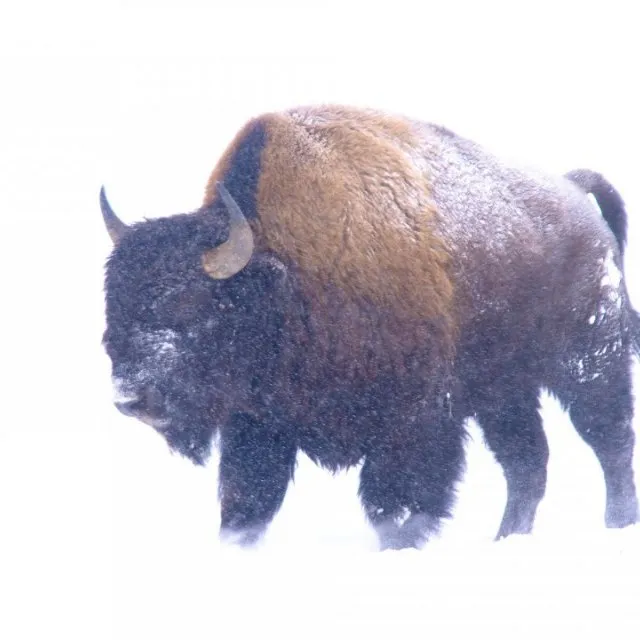
From the traditional territories of First Nations peoples to the stories of early explorers, prospectors, and northern communities, the Yukon has a history that stretches back thousands of years. Its rivers, mountains, and vast open spaces have influenced how people traveled, traded, hunted, and built their communities.
A four-day Yukon history tour can provide a meaningful introduction to this remarkable region. With opportunities to visit cultural attractions, explore historic settlements, and appreciate the natural environment, visitors can gain a deeper understanding of the people and events that shaped the North.
Whether you are a history enthusiast, a cultural traveler, or an adventurous visitor seeking an experience beyond traditional sightseeing, exploring the history of Canada’s North Yukon offers a rewarding journey.
1. Discover the Ancient Indigenous Heritage of the Yukon
Long before European explorers arrived, Indigenous peoples lived throughout the Yukon, developing deep connections with the land, wildlife, and waterways. Their knowledge, traditions, and cultural practices remain an essential part of the region’s identity.
Several First Nations have traditional territories across the Yukon, including the Tr’ondëk Hwëch’in, Gwich’in, Kwanlin Dün First Nation, and Champagne and Aishihik First Nations. Each community has its own language, history, customs, and cultural traditions.
For generations, Indigenous communities relied on hunting, fishing, gathering, and seasonal travel to sustain their families. Rivers served as important transportation routes, while traditional knowledge helped people adapt to changing weather and the demands of northern life.
During a four-day cultural and historical journey, visitors can learn about Indigenous perspectives through local museums, cultural centres, interpretive displays, and community-led experiences where available. Traditional artwork, storytelling, and historical exhibits help bring these stories to life.
Responsible tourism means recognizing that Indigenous heritage is living history. Visitors should approach cultural sites with respect, support Indigenous-owned businesses where possible, and follow local guidance when visiting important places.
2. Explore the Famous Klondike Gold Rush History
One of the most famous chapters in the rich history of Canada’s North Yukon is the Klondike Gold Rush of the late 1890s. When gold was discovered in the Klondike region in 1896, news of the discovery spread rapidly, attracting thousands of hopeful prospectors from around the world.
Many travelers faced an exhausting journey through difficult mountain passes and remote wilderness before reaching the goldfields. Some struck it rich, but many others encountered harsh weather, limited supplies, and challenging working conditions.
Dawson City became the centre of the gold rush and quickly developed into a busy settlement. Its wooden buildings, historic streets, and preserved heritage sites still reflect the excitement and difficulties of that period.
Visitors can explore Dawson City’s historic district, discover stories of prospectors and merchants, and learn how the gold rush transformed the region’s economy and population. Nearby historic goldfields offer further insight into the search for wealth that helped put the Yukon on the international map.
The gold rush also brought significant disruption to Indigenous communities, affecting traditional lands, resources, and ways of life. Understanding these consequences provides a more complete picture of the region’s history.
3. Visit Historic Communities and Northern Landmarks
The Yukon is home to historic communities that reveal how people adapted to life in a remote and often demanding environment. Each settlement offers a different perspective on transportation, trade, mining, and the development of northern society.
Dawson City is especially valuable for travelers interested in preserved architecture and gold rush history. Visitors can stroll along historic streets, explore heritage buildings, and discover how the settlement evolved from a mining camp into an enduring northern community.
Whitehorse, the territorial capital, provides another perspective on Yukon’s development. Its history is closely connected to transportation routes, the Klondike Gold Rush, and the construction of the White Pass and Yukon Route railway. Local museums and heritage attractions help explain how the city became an important centre for trade, government, and travel.
Depending on the itinerary, travelers may also discover historic transportation corridors, old trading locations, and landmarks associated with early settlement. These places help explain how northern communities remained connected despite enormous distances and challenging terrain.
A well-planned four-day journey balances sightseeing with time to explore museums, speak with local guides, and appreciate the stories behind the landmarks.
4. Follow the Stories of Northern Transportation and Trade
Transportation played a major role in the development of northern Canada. Before modern highways and aircraft made travel easier, rivers, trails, and mountain passes connected communities across the Yukon.
The Yukon River was particularly important for Indigenous travel and trade. Later, during the gold rush, steamboats transported passengers, food, equipment, and mining supplies to remote settlements. These vessels helped connect Dawson City with other communities and commercial centres.
The historic sternwheeler S.S. Keno is an excellent example of this transportation heritage. Today, visitors can explore its story and learn how riverboats supported mining communities and northern commerce. The White Pass and Yukon Route railway also reflects the engineering achievements and difficult travel conditions associated with the gold rush era.
Klondike National Historic Sites+1
Learning about these transportation networks helps visitors understand how people survived and prospered in a region where long distances and extreme weather often presented serious challenges.
5. Experience the Natural Landscapes That Shaped Yukon History
The history of the North Yukon cannot be separated from its natural environment. Vast forests, mountain ranges, rivers, and open tundra have influenced local traditions, economic activities, and settlement patterns for generations.
Indigenous communities developed detailed knowledge of animal migration, seasonal weather, plants, and waterways. These skills supported hunting, fishing, gathering, and travel long before modern infrastructure existed.
Later, the discovery of gold transformed the relationship between people and the landscape. Mining operations reshaped riverbanks and valleys, while growing settlements created new demands for transportation, food, and natural resources.
During a four-day historical journey, travelers can appreciate the scenery while reflecting on these connections between land and culture. Scenic drives, short walks, photography stops, and visits to historic landscapes can add depth to the experience.
Visitors should respect wildlife, remain on designated trails where appropriate, and avoid disturbing archaeological or cultural sites. Protecting these landscapes helps preserve the Yukon’s heritage for future generations.
6. Suggested Four-Day Yukon History Itinerary
A four-day itinerary can combine cultural learning, gold rush landmarks, and memorable northern scenery. The following plan is a suggested outline and can be adjusted according to your starting point, travel season, and interests.
Day 1: Discover Whitehorse and Yukon’s Heritage
Begin in Whitehorse with a visit to a local museum or cultural attraction. Learn about Indigenous history, early trade, transportation, and the development of the territorial capital. Finish with a relaxing walk along the Yukon River.
Day 2: Travel Through Historic Northern Landscapes
Explore historic routes and scenic viewpoints while learning about river transportation, early exploration, and the challenges of travel in the North. If traveling toward Dawson City, plan sufficient time for the long drive and stops along the way.
Day 3: Explore Dawson City and the Gold Rush
Discover historic streets, heritage buildings, and gold rush attractions. Visit the Dänojà Zho Cultural Centre, where available, to learn about Tr’ondëk Hwëch’in history and perspectives on the region’s transformation.
Day 4: Discover the Goldfields and Reflect on Yukon’s Past
Visit Bonanza Creek or other accessible gold rush heritage sites. Learn about mining methods, the lives of prospectors, and the lasting effects of the gold rush before concluding your northern history experience.
Planning note: Whitehorse and Dawson City are approximately 530 kilometres apart by road. Visiting both in four days requires careful planning, and this itinerary may involve substantial driving. Confirm seasonal road conditions, opening hours, transportation, and tour availability before departure.
Parks Canada+1
7. Why Choose a Four-Day Yukon Heritage Tour?
A four-day journey offers more than a quick introduction to northern Canada. It provides time to explore several historical themes while enjoying the scenery and character of Yukon communities.
Key benefits include:
-
Cultural discovery: Learn about First Nations traditions, languages, and connections to the land.
-
Gold rush history: Explore the events that brought international attention to the Yukon.
-
Historic landmarks: Discover preserved buildings, riverboats, museums, and former mining areas.
-
Scenic experiences: Enjoy opportunities for photography and outdoor exploration.
-
Deeper understanding: Discover how Indigenous heritage, migration, mining, and transportation shaped the modern territory.
Choosing knowledgeable local guides and community-led experiences can make the journey more informative, respectful, and memorable.
Frequently Asked Questions (FAQs)
1. What is the rich history of Canada’s North Yukon known for?
The Yukon is known for its ancient Indigenous heritage, traditional trade routes, fur trading, gold mining, and the famous Klondike Gold Rush of 1896–1899. Its history also reflects the development of northern transportation and communities.
2. Can I explore Yukon’s history in four days?
Yes. Four days can provide a rewarding introduction to the region’s cultural heritage and gold rush history. However, visiting distant destinations such as Whitehorse and Dawson City requires careful scheduling because of the driving distance.
3. What are the best places to visit for Yukon history?
Popular options include Dawson City’s historic district, Bonanza Creek, the Dänojà Zho Cultural Centre, the S.S. Keno National Historic Site, and museums in Whitehorse. Availability and opening schedules vary by season.
Dawson City Yukon+1
4. What is the best time to visit the Yukon for historical sightseeing?
Late spring through early autumn is often convenient for road travel and outdoor sightseeing. Summer generally offers longer daylight hours, while shoulder seasons can provide a quieter experience. Always check attraction opening dates and road conditions.
5. Is a Yukon history tour suitable for families?
Yes. Museums, historic buildings, scenic viewpoints, and guided heritage experiences can appeal to visitors of different ages. Families should choose activities according to children’s interests, travel time, and weather conditions.
6. Why is Indigenous history important when exploring the Yukon?
Indigenous peoples have lived in the region for thousands of years, and their cultures, knowledge, and traditions remain central to Yukon’s identity. Understanding their perspectives also helps visitors appreciate the lasting impacts of the gold rush and colonial expansion.
Conclusion
The Rich History of Canada’s North Yukon (4 Days) offers an engaging journey through Indigenous traditions, historic communities, gold rush landmarks, and the landscapes that shaped northern life. From learning about First Nations heritage to exploring Dawson City’s preserved streets and discovering the transportation routes that connected remote settlements, every experience reveals another chapter of the Yukon story.
A thoughtfully planned four-day tour allows travelers to appreciate both the achievements and challenges that shaped this remarkable territory. By supporting local communities, respecting Indigenous cultural traditions, and exploring historical sites responsibly, visitors can enjoy a meaningful experience that goes beyond ordinary sightseeing.
For travelers seeking culture, history, and wilderness in one destination, the Yukon provides an unforgettable opportunity to connect with the past while experiencing the enduring spirit of Canada’s North.