

Modern life is filled with interruptions.
Phones vibrate.
Emails arrive every few minutes.
Social media competes for attention, while work often follows people long after office hours have ended.
Even holidays aren’t always real breaks anymore.
Many travelers answer business calls from hotel balconies or spend evenings checking notifications instead of enjoying the destination around them.
That’s one reason digital detox travel has become one of the fastest-growing trends in global tourism.
People aren’t simply looking for beautiful places.
They’re searching for places that naturally encourage them to disconnect.
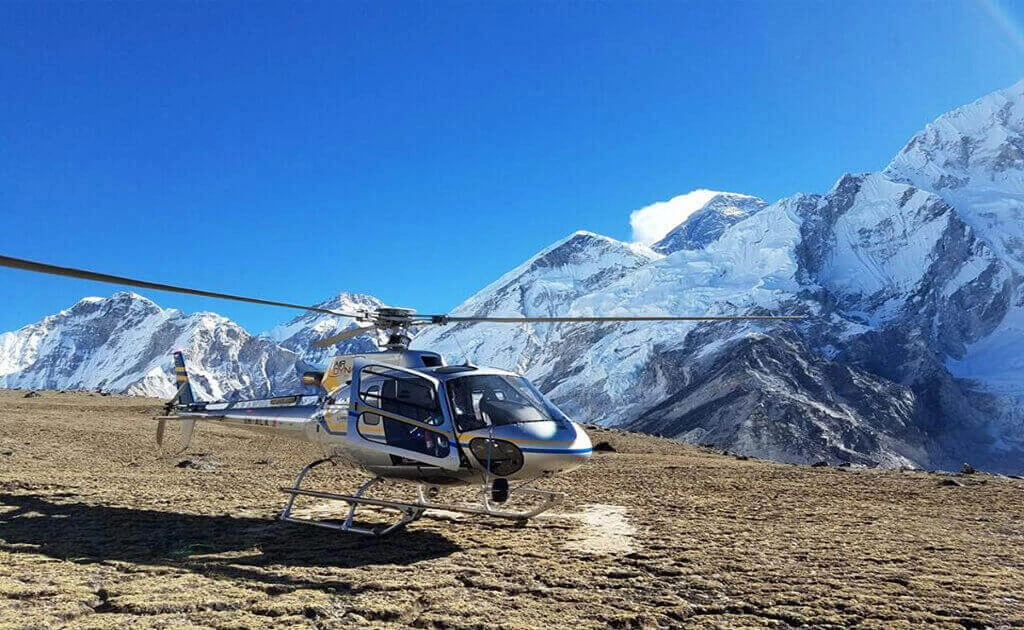
The Everest Base Camp Trek with Helicopter Return offers exactly that.
Far from crowded cities and endless notifications, the Himalayas provide something increasingly difficult to find—a chance to be fully present.
A Different Kind of Connection
Most journeys help you connect with new destinations.
The Everest region also helps you reconnect with yourself.
Without constantly reaching for a phone, small experiences become more noticeable.
The rhythm of your footsteps.
The sound of a mountain stream flowing beside the trail.
Fresh air replacing the noise of traffic.
Simple conversations with fellow trekkers.
Instead of dividing your attention between the landscape and a screen, your focus naturally stays where it belongs.
On the experience itself.
Time Feels Different in the Mountains
In cities, time is measured by meetings, calendars, and deadlines.
On the Everest trail, the day follows a completely different rhythm.
Morning begins with sunrise over the peaks.
Walking replaces commuting.
Rest breaks are chosen by the landscape rather than a clock.
Meals become opportunities to talk instead of checking messages.
Many trekkers are surprised by how quickly they stop thinking about their phones.
The mountains quietly replace digital habits with natural routines.
Real Conversations Replace Online Updates
Digital communication has made staying in touch easier than ever.
Yet many people admit they spend less time having meaningful conversations.
The Everest trail changes that.
Long walks create opportunities to speak with guides, porters, and fellow trekkers from around the world.
Stories are exchanged naturally.
Friendships develop without social media.
Instead of sharing experiences online as they happen, travelers become immersed in living those moments first.
That simple shift often makes the memories far more meaningful.
Nature Has a Way of Resetting the Mind
Scientists have long studied the positive effects of spending time outdoors.
The Everest region offers that experience on an extraordinary scale.
Towering mountains, flowing rivers, forests, and open skies replace crowded streets and digital distractions.
Many travelers notice they begin thinking more clearly after just a few days on the trail.
Without the constant pressure of notifications and multitasking, the mind has room to slow down.
For professionals who spend most of the year connected to screens, this change can feel surprisingly refreshing.
The Best Memories Aren’t Always Shared Immediately
Today’s culture encourages instant sharing.
A photo is taken and uploaded within seconds.
A meal is posted before it’s enjoyed.
An achievement is announced before it’s fully appreciated.
The Everest region naturally encourages a different approach.
Some moments are simply experienced.
Watching sunlight reach a distant Himalayan peak.
Standing quietly at Everest Base Camp.
Listening to prayer flags moving in the mountain wind.
These moments don’t become valuable because they’re posted online.
They become valuable because you were fully present when they happened.
Disconnecting Creates Space for Better Thinking
One unexpected benefit of trekking in the Everest region is the clarity that comes from stepping away from everyday routines.
Without constant notifications competing for your attention, your thoughts become less fragmented.
Many travelers use the quiet hours on the trail to reflect on personal goals, career decisions, or future plans. Others simply enjoy the rare opportunity to let their minds wander without interruption.
The mountains don’t provide answers.
They provide the space to ask better questions.
That’s one reason so many people return home feeling mentally refreshed as well as physically accomplished.
A Journey That Encourages Mindful Travel
Mindful travel isn’t about doing less.
It’s about experiencing more.
Instead of rushing to the next viewpoint, trekkers begin noticing details that often go overlooked—a shepherd guiding yaks along a hillside, the changing colors of the sky before sunset, or the peaceful atmosphere inside a mountain monastery.
These moments don’t appear on a checklist, yet they often become the memories people treasure most.
The Everest Base Camp Trek with Helicopter Return naturally encourages this slower, more attentive way of exploring the Himalayas.
Finishing With a Fresh Perspective
After days of walking through forests, valleys, and high-altitude terrain, the journey ends with one final change in perspective.
The helicopter return doesn’t simply provide transportation.
It allows travelers to see the entire route from above, connecting the landscapes they explored on foot into one remarkable panorama.
Looking down at the winding trails, scattered villages, and towering peaks offers a quiet moment of appreciation for everything accomplished during the trek.
It’s a fitting conclusion to a journey built on presence rather than distraction.
Choosing an Experience That Helps You Truly Unplug
Not every holiday gives you permission to disconnect.
Some destinations are filled with crowded attractions, busy schedules, and constant digital engagement.
The Everest region offers something different.
With experienced guides handling logistics and a thoughtfully planned itinerary, travelers can focus on the experience instead of their inbox.
If you’re considering the Everest Base Camp Trek with Helicopter Return, Mountain Magic Treks offers an itinerary that combines the classic Everest trail with a scenic helicopter return, allowing you to immerse yourself in the Himalayas while enjoying a well-organized adventure from start to finish.
The Greatest Luxury Today Is Undivided Attention
Luxury isn’t always defined by five-star hotels or exclusive experiences.
Sometimes, the greatest luxury is having the time and mental space to fully appreciate where you are.
The Everest region offers that opportunity.
It encourages you to walk without rushing, observe without distraction, and experience each day without constantly checking a screen.
By the time the journey ends, many travelers realize they haven’t just explored one of the world’s most famous mountain regions they’ve also rediscovered the value of being fully present.
That may be the most meaningful souvenir they bring home.
Frequently Asked Questions
What is a digital detox trek?
A digital detox trek is a journey that encourages travelers to reduce screen time, disconnect from constant notifications, and focus on nature, personal well-being, and meaningful experiences.
Is the Everest Base Camp Trek with Helicopter Return suitable for travelers seeking a break from technology?
Yes. The trek naturally encourages a slower pace of life, allowing travelers to spend more time outdoors, engage with local culture, and enjoy the Himalayas with fewer digital distractions.
Will I have internet access during the trek?
Some teahouses in the Everest region offer internet access, but connectivity can be limited and less reliable at higher elevations, making it easier to disconnect from everyday digital routines.
Why do many professionals choose this type of adventure?
Professionals often value the opportunity to step away from demanding schedules, reduce screen time, and return home feeling mentally refreshed while completing a rewarding Himalayan trek.
What makes the Everest Base Camp Trek with Helicopter Return a memorable experience?
The journey combines authentic trekking, spectacular mountain scenery, meaningful cultural encounters, and a scenic helicopter return that provides an unforgettable aerial view of the Everest region, creating a balanced adventure that stays with travelers long after they return home.